
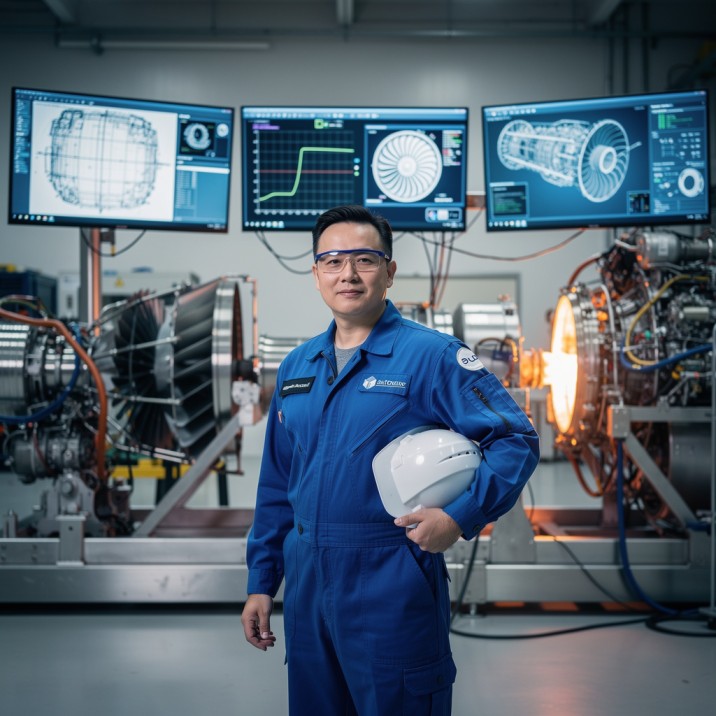
Aerospace Propulsion Engineer
Explore the Aerospace Propulsion Engineer career through an interactive game. Learn about rocket engines, aircraft propulsion systems, aerospace engineering, and future STEM careers while building AI skills for students.
About This Profession
1. Job Description
An Aerospace Propulsion Engineer Career focuses on designing, developing, and testing propulsion systems used in aircraft, rockets, and spacecraft. These engineers work with advanced technologies to improve engine performance, fuel efficiency, and flight safety.
Through hands-on learning and AI Skills for Students, learners can explore how innovation drives modern aerospace missions and transportation systems. This role combines engineering expertise, creativity, and technology, making it an exciting field highlighted in Future Jobs Education for Kids.
2. Core Responsibilities
Their responsibilities vary depending on the stage of propulsion system development, including design, testing, and maintenance.
Propulsion System Design
Designing engines and propulsion components for aircraft, rockets, and space vehicles while applying engineering principles and emerging technologies.
Testing & Performance Analysis
Conducting simulations and performance tests to evaluate engine efficiency, safety, and reliability. Developing analytical thinking is one of the key AI Skills for Students that supports success in this area.
Fuel & Energy Optimization
Improving fuel systems and propulsion performance to increase efficiency and reduce environmental impact, helping create sustainable aerospace solutions.
System Maintenance & Troubleshooting
Identifying technical issues, analyzing failures, and supporting repairs or upgrades of propulsion systems to ensure optimal performance and safety.
3. Essential Skills
Engineering Knowledge
Strong understanding of aerospace engineering, thermodynamics, and propulsion technologies is essential for pursuing an Aerospace Propulsion Engineer Career.
Technical & Analytical Skills
Ability to analyze engine performance data, interpret results, and solve complex engineering challenges using modern tools and techniques.
Innovation & Problem-Solving
Developing advanced propulsion solutions for modern aerospace challenges requires creativity, critical thinking, and continuous learning.
Communication & Teamwork
Collaborating effectively with engineers, technicians, and aerospace teams to achieve project goals and drive innovation. These collaborative abilities are increasingly emphasized in Future Jobs Education for Kids programs preparing students for tomorrow's careers.
Adaptability to Emerging Technologies
Understanding artificial intelligence, automation, and data-driven systems helps students build relevant AI Skills for Students that support future opportunities in aerospace engineering and related industries.
Frequently Asked Questions (FAQs)
1. What does an Aerospace Propulsion Engineer do?
An Aerospace Propulsion Engineer designs, tests, and improves propulsion systems that power aircraft, rockets, satellites, and spacecraft. They work on engines and technologies that generate thrust, improve fuel efficiency, and support safe air and space travel.
2. What industries hire Aerospace Propulsion Engineers?
Professionals pursuing an Aerospace Propulsion Engineer Career can work in aerospace companies, aircraft manufacturing, space agencies, defense organizations, research laboratories, and advanced transportation technology firms.
3. Is Aerospace Propulsion Engineer a good future career?
Yes. The Aerospace Propulsion Engineer Career is considered a future-focused profession because it supports aviation, space exploration, satellite missions, defense technologies, and next-generation transportation systems. Growing investment in aerospace innovation continues to increase career opportunities.
Ready to Start?
Experience what it's like to work as a Aerospace Propulsion Engineer and build future-ready skills through immersive gameplay.