
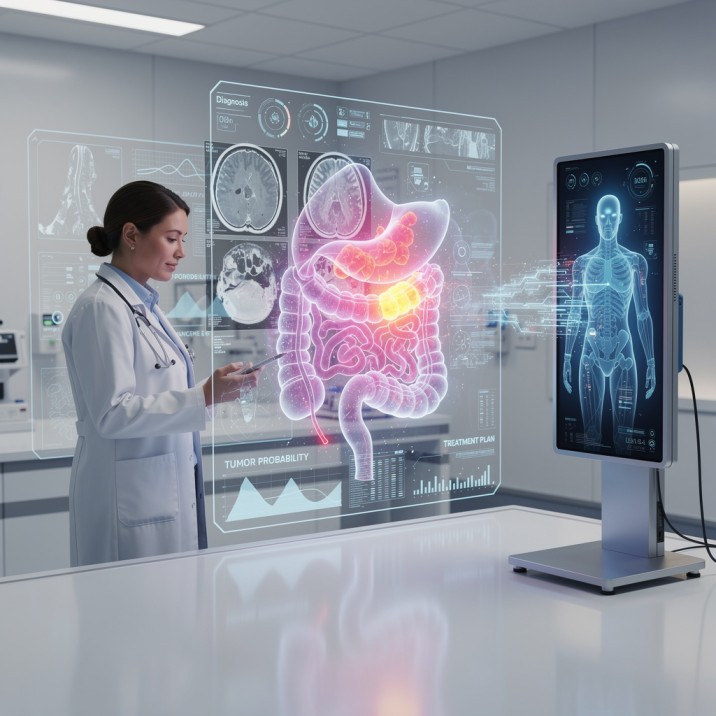
AI Assisted Cancer Diagnostician
Explore the AI Assisted Cancer Diagnostician career and develop AI skills for students while discovering future jobs education for kids through healthcare innovation and medical AI.
About This Profession
1. Job Description
An AI Assisted Cancer Diagnostician Career combines healthcare expertise with advanced artificial intelligence technologies to help detect and diagnose cancer from medical data such as imaging scans, laboratory results, and pathology reports. Professionals in this field work closely with doctors and specialists to improve early detection, diagnostic accuracy, and treatment planning.
As students explore this career, they develop valuable AI Skills for Students while learning how technology is transforming modern healthcare. This role also highlights the importance of Future Jobs Education for Kids, introducing learners to emerging careers that combine medicine, data analysis, and artificial intelligence.
2. Core Responsibilities
The responsibilities of an AI Assisted Cancer Diagnostician span multiple stages of the diagnostic process, including screening, analysis, and clinical support.
Medical Data Interpretation
Analyzing CT scans, MRI images, biopsy findings, pathology reports, and patient records with the support of AI-assisted diagnostic systems.
Cancer Detection Support
Identifying unusual patterns and helping healthcare teams recognize potential cancer cases for further investigation.
AI Tool Evaluation
Reviewing AI-generated insights and recommendations to ensure clinical accuracy, reliability, and patient safety.
Collaboration with Medical Teams
Working alongside oncologists, radiologists, pathologists, and other healthcare professionals to support diagnosis and treatment planning.
Reporting & Documentation
Preparing diagnostic summaries and maintaining accurate records that support clinical decision-making processes.
3. Essential Skills
Medical Knowledge
Understanding cancer biology, oncology principles, diagnostic procedures, and patient care practices.
AI & Data Interpretation
Using AI-powered diagnostic tools effectively and interpreting their outputs within a clinical context.
Analytical Skills
Evaluating complex medical information, identifying patterns, and supporting evidence-based healthcare decisions.
Attention to Detail
Carefully reviewing medical images, test results, and reports where accuracy is critical for patient outcomes.
Communication Skills
Collaborating clearly with healthcare teams and communicating diagnostic findings effectively.
Ethics & Responsibility
Understanding patient confidentiality, data privacy, and the responsible use of artificial intelligence in healthcare environments.
Frequently Asked Questions (FAQs)
1. What does an AI Assisted Cancer Diagnostician do?
An AI Assisted Cancer Diagnostician uses artificial intelligence tools and medical data to help identify cancer patterns, support diagnosis, and improve patient care alongside healthcare professionals. They analyze medical images, patient records, and diagnostic information to assist in detecting diseases more accurately and efficiently.
2. How does artificial intelligence help in cancer diagnosis?
Artificial intelligence helps analyze large amounts of medical data, identify patterns that may be difficult for humans to detect, and support healthcare professionals in making informed diagnostic decisions. AI-powered tools can improve efficiency, enhance accuracy, and assist with early disease detection.
3. Why is the AI Assisted Cancer Diagnostician career important in the future?
As healthcare increasingly adopts artificial intelligence and data-driven technologies, professionals who can work with AI-powered diagnostic systems will play an important role in improving diagnostic accuracy, supporting early cancer detection, and enhancing patient outcomes.
Ready to Start?
Experience what it's like to work as a AI Assisted Cancer Diagnostician and build future-ready skills through immersive gameplay.